First Jamestown Settlement - The Joint-Stock Company Ventures
The ventures undertaken by the first colonists were risky, all could be lost at sea. The development of the joint-stock company made it possible to raise money for large and risky business ventures from many investors. A joint-stock company issued stock to investors to raise money. Once success had been achieved a joint-stock company divided the profits amongst the investors. Refer to Colonial Government for additional information.
First Jamestown Settlement
The First Jamestown Settlement Charter issued in 1606 gave investors the right to "begin theire plantacions and habitacions in some fitt and conveniente place between fower and thirtie and one and fortie degrees of the said latitude all alongest the coaste of Virginia and coastes of America. This area stretches from present-day South Carolina to New York City. The colony was financed by the Virginia Company of London as a profit-making venture. It was called a Proprietary Charter.
First Jamestown Settlement
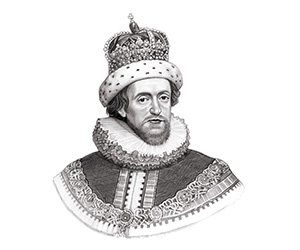
The borders of Virginia were defined initially in the first Jamestown Settlement issued by King James I as grants of land to private investors. James i granted a proprietary charter to the two competing companies that were supported by investors. The companies were the Plymouth Company and the London Company.
First Jamestown Settlement - The London Company
The first Jamestown Settlement was granted to two companies as profit making ventures. The Virginia Company was backed by investors based in London, which is why it is also known as the London Company. The Virginia Company wanted to explore the lands in the South of the Area.
First Jamestown Settlement - The Plymouth Company
The other company was called the Plymouth Company who had investors based in Plymouth, Devon. The Plymouth Company wanted the lands in the North of the area.
First Jamestown Settlement - The London Company, the Virginia Company
The London Company fared better than the Plymouth Company Their venture led to the establishment of the permanent settlement at Jamestown Colony in Virginia in 1606, led by John Smith. Reports from John Smith detailed the extent of the lands and area of Chesapeake Bay and outlying regions. This information led to the King issuing the Second Jamestown Settlement and the Third Jamestown Settlement and the London Company was referred to as the all-encompassing Virginia Company.